Learn more about SECLAP

Equitable Enforcement to Make Workers Rights Real
Across the US, workers and their communities are confronting historic levels of inequality. For tens of millions, work has become increasingly precarious and low paid. The deterioration of work is often presented as the inevitable product of market forces that are beyond our control. This is not the case. These are political choices and society can make different ones.
Imagine a labor standards enforcement system where the intended impacts of workers’ rights laws are realized for all workers, not just those who are willing and able to complain. One that is designed to achieve widespread compliance throughout industries that have traditionally seen high rates of violations, and which centers the voices of those directly impacted by enforcement.
The Workplace Justice Lab@RU’s Beyond the Bill program doesn’t just imagine this system – we work to make it a reality. Beyond the Bill addresses the challenge in labor standards enforcement by building relationships with state and local departments of labor, creating resources to strengthen their strategic outreach and enforcement practices, and supporting effective and dynamic collaboration between agencies and community partners with the greatest stake in robust labor standards enforcement. We seek to accomplish these goals through a focus on innovative studies and policy papers; developing strategic trainings and hosting webinars for enforcement agencies and worker advocates; and publishing peer-reviewed academic articles and case studies. The Workplace Justice Lab@RU is also home to the Labor Standards Enforcement Toolbox, a continually growing set of briefs and related materials for agencies to use as they consider alternative enforcement strategies.
Why does labor standards enforcement matter?
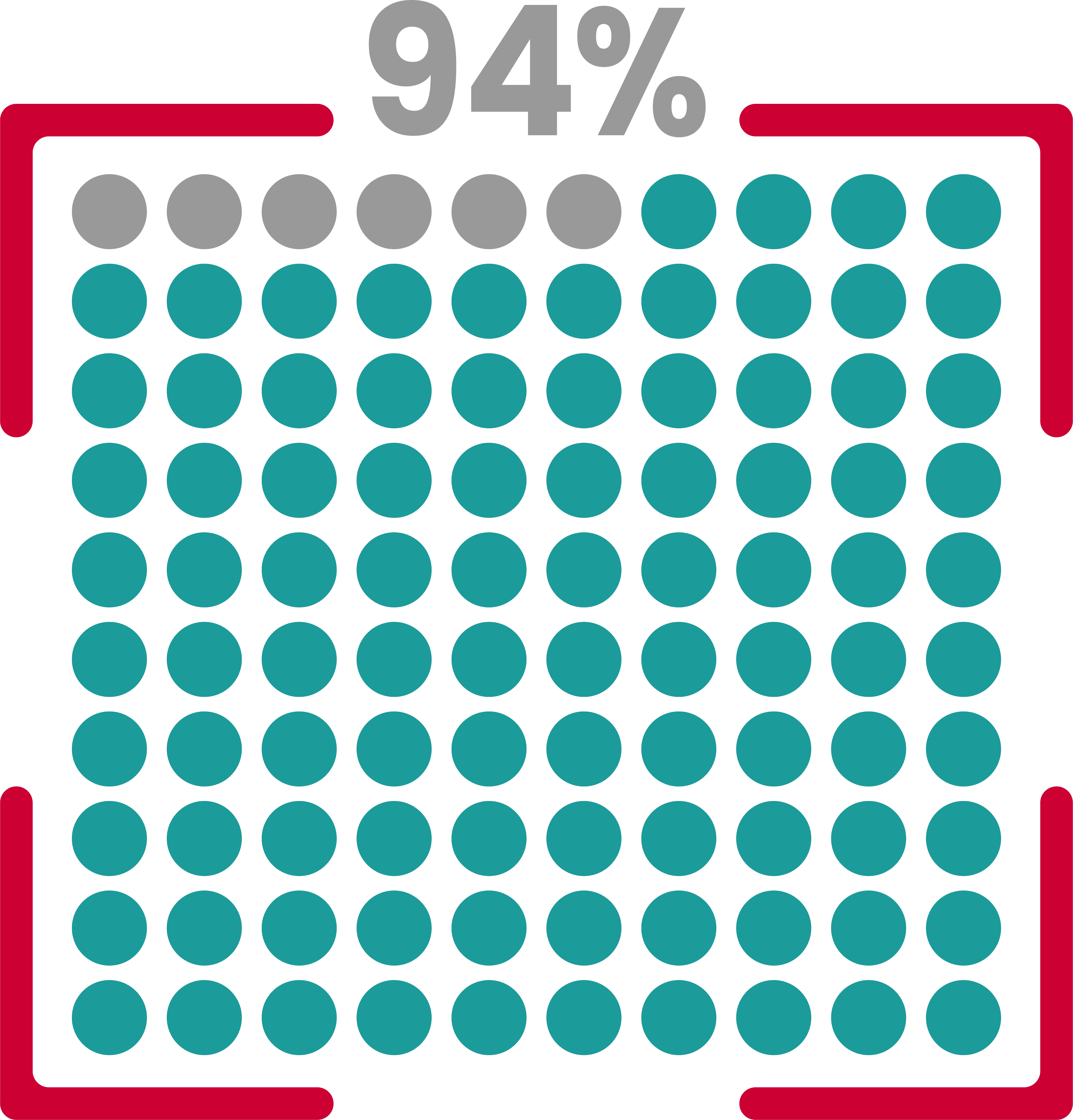
Ninety-four percent of private sector workers in the US are not unionized. Thus they are solely reliant on labor and employment laws and government enforcement of workplace protections.
Strategic Enforcement
The “Strategic Enforcement” approach enables agencies to be more proactive and rigorously selective about where and how they use resources. Agencies prioritize and direct efforts to where the problems are largest, where workers are least likely to exercise their legal rights, and where the agency can impact industry-wide compliance. Rather than reacting to complaints alone, “Strategic Enforcement” recasts the purpose of labor standards legislation as a mechanism to intervene in labor market inequality at the systemic level in order to raise standards across exploitative low-wage sectors.
Co-enforcement
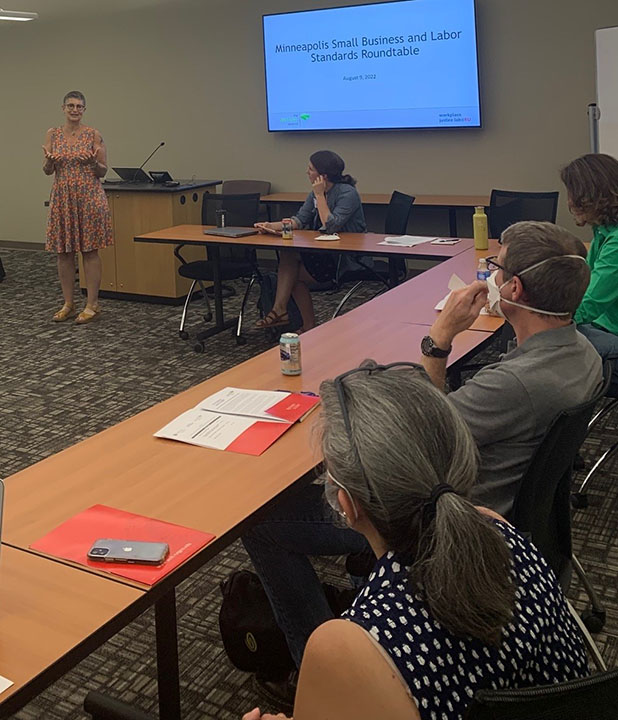 Collaboration with worker centers, economic justice organizations, legal non-profits, and community-based organizations (referred to collectively as “community partners”) in a system of co-enforcement is critical to the success of Strategic Enforcement because workers know things about day-to-day employer practices on the ground that government enforcement agencies cannot know. Community organizations have the trusting relationships that can facilitate workers coming forward with this knowledge. Working with community partners, agencies can:
- gain a better feel for industry norms and practices
- develop better industry-specific enforcement strategies
- conduct more effective outreach and education
- identify high impact cases and increase compliance
- level the playing field for employers who are doing the right thing
- more effectively recover unpaid wages